The Flavor Journey You Can Only Find at a Pie Shop
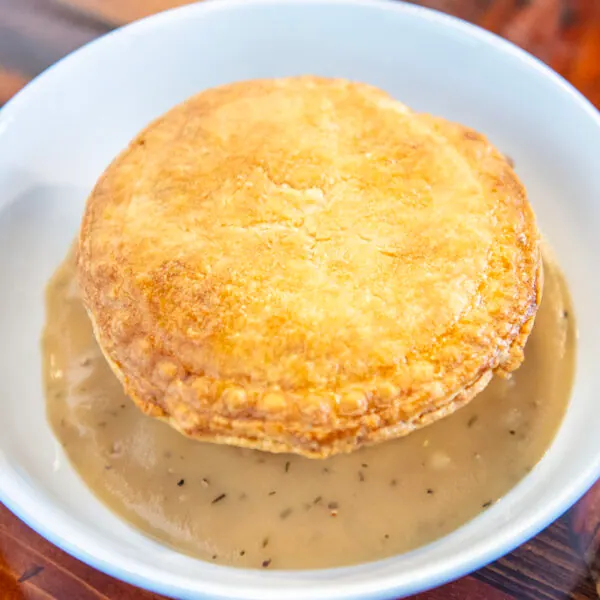
Walk into a good pie shop and the first thing you notice is not just the smell, though that usually gets the credit. It is the sequence of smells, the way butter lifts first, then toasted flour, then fruit, spice, browned sugar, and sometimes savory notes like roasted chicken, thyme, onions, or black pepper. A pie shop does not present flavor in a single blast. It unfolds it. That is part of what makes the experience so distinct.
People often talk about pie as comfort food, which is true, but it is also a remarkably precise form of cooking. A pie can be rustic and exacting at the same time. The crust has to hold structure without becoming tough. The filling has to carry flavor without collapsing into mush or leaking into a soggy base. Sweetness needs restraint. Acid matters more than many people realize. Texture, perhaps more than in cake or cookies, determines whether a pie becomes memorable or merely pleasant.
That is why a dedicated pie shop offers something you rarely get elsewhere. It is not just that the product is fresher. It is that the entire operation is built around understanding how crust, filling, bake time, and resting time shape flavor from the first bite to the last. A restaurant may serve a strong slice of pie. A bakery may turn out a few favorites each morning. But a pie shop lives inside the details. You can taste that focus.
Pie is one of the few foods that asks for patience
A lot of baked goods are at their best soon after leaving the oven. Pie is more complicated. Some fruit pies need hours to set properly. Custard pies can taste flat when warm and vivid once chilled. Savory pies often improve after a short rest, when steam settles and the filling stops fighting the crust. In a pie shop, timing is not an afterthought. It is one of the core ingredients.
That changes the flavor journey in ways customers may not consciously identify, though they certainly respond to it. A slice served too hot may seem fragrant but blurry. The butter in the crust reads as grease rather than richness. The fruit tastes sweet but indistinct. Let that same pie settle, and suddenly the layers separate into clear notes. Tart cherry tastes sharper. Cinnamon becomes supportive instead of dominant. The crust feels flaky instead of fragile.
A skilled pie maker learns quickly that restraint often produces the most satisfying result. It is tempting to load fillings with more sugar, more spice, more thickener. Those choices can make the pie louder, but not necessarily better. In a serious pie shop, balance is the difference between a pie that sells once and a pie people come back for every Thursday.
The crust is not a container, it is half the experience
One of the most persistent mistakes in home baking is treating crust as packaging. In a pie shop, crust is part of the flavor architecture. It contributes aroma, salt, fat, toast, and texture. It also controls pacing. A tender all-butter crust shatters differently than a shortening-based crust. A hot water crust carries savory fillings with almost meaty solidity. A laminated rough puff offers lift and drama. A crumb crust gives you density and crunch but almost no flex.
That means every filling creates a decision. Blackberry pie with a very flaky crust can be glorious, but if the berries run loose, that same crust may lose definition by the second bite. Apple pie can handle a stronger shell because the fruit retains shape and does not flood the base in the same way. Chess pie wants delicacy around the edges because the filling is dense and sweet. Chicken pot pie benefits from a lid with enough strength to trap steam and enough tenderness to break cleanly under a fork.
The best pie shops understand these trade-offs and build recipes accordingly. They do not simply rotate fillings through one universal dough. They adjust flour protein, fat ratio, hydration, and handling based on what the pie needs to become. Customers may not ask whether the crust was mixed for shorter gluten development or whether the fat stayed in larger pieces for flake, but they know when a slice feels alive. They know when the crust supports the filling rather than disappearing under it.
I have seen this difference most clearly in places that make both sweet and savory pies at scale. The shops that stand out are usually the ones that refuse the shortcut of sameness. Their apple pie crust is not trying to be their steak and ale pie crust. Their quiche shell is not an afterthought made from leftover trimmings. That kind of discipline is expensive, and it shows in the final product.
Fruit pie teaches you the seasons better than a calendar
A true pie shop keeps one eye on the oven and one eye on the market. Fruit pies are especially revealing because they punish indifference. Strawberries from early spring can smell beautiful and still bake into watery disappointment. Peaches may be fragrant one week and starchy the next. Apples hold a wider margin for error, but even then, the variety matters. A firm, tart apple behaves very differently from a sweet, softer one.
This is where the flavor journey becomes more than a menu choice. It becomes seasonal literacy. In a strong pie shop, late summer berry pies taste darker and fuller because the fruit itself has matured into that depth. Early autumn apple pies carry more acid and snap. Citrus pies in winter offer the kind of clean brightness that feels almost medicinal after weeks of heavier desserts.
A pie shop that pays attention to seasonality often makes small adjustments most customers never notice directly. Sugar levels shift. Lemon juice changes by teaspoons, not cups. Thickener gets nudged up or down depending on fruit moisture. Spicing may be dialed back when the fruit is exceptional and pushed a little forward when the fruit needs support. These are not dramatic reinventions. They are acts of judgment.
That is one reason chain dessert programs struggle to replicate the experience. Standardization is useful in many parts of food service, but pie resists rigid uniformity. Fruit changes. Humidity changes. Butter changes. Flour absorbs moisture differently in July than in January. A pie shop earns trust by responding to those variables instead of pretending they do not exist.
Sweetness matters less than contrast
Many people think they are craving sweetness when what they really want is contrast. Pie delivers contrast better than almost any dessert because it can hold sugar, acid, bitterness, salt, and fat in the same forkful. A lemon meringue pie that works is not memorable because it is sweet. It is memorable because the curd is sharp, the meringue is airy, the crust is buttery, and the whole thing lands in waves.
Apple pie needs this same tension. Without acid, it tastes dull. Without salt, it tastes childish. Without enough browning on the crust, it can feel steamed rather than baked. Blueberry pie becomes far more interesting when the filling includes a hint of lemon zest or a pinch of black pepper. Chocolate pie needs bitterness to stay elegant. Coconut cream pie benefits from restrained sweetness and a deep toast on the coconut, otherwise it can read as soft and one-note.
A good pie shop knows that flavor is cumulative, not isolated. Even whipped cream becomes part of the balance. Lightly sweetened cream can rescue a tart rhubarb slice. Unsweetened cream can sharpen the edges of a rich chocolate filling. A scoop of vanilla ice cream is not just a topping for a warm fruit pie, it is a temperature and texture strategy.
Customers often describe their favorite slice by mood rather than technical detail. They call it bright, deep, cozy, clean, rich, old-fashioned, or not too sweet. Underneath those descriptions lies careful calibration. That is where the craft lives.
Savory pies reveal a different kind of skill
Sweet pies usually get more attention, but the savory case in a pie shop is where you often see the baker’s discipline most clearly. Savory fillings are less forgiving because they expose imbalance immediately. If the sauce is thin, the crust turns pasty. If the filling is underseasoned, there is no sugar to hide it. If the vegetables release too much water, the whole slice slumps.
The strongest savory pies feel complete without feeling heavy. Think of a chicken pie where the gravy coats but does not flood, where carrots still have shape, where thyme is noticeable but not aggressive, where the crust stays crisp at the bottom. Or a steak and mushroom pie that leans into dark, reduced flavor, using pastry not as a cap but as a counterweight to richness. Or a spinach and feta pie that keeps the greens vibrant instead of cooking them into a gray paste.
In a pie shop, these details matter because regulars notice. Savory pie customers are often among the most loyal. They are not just buying indulgence. They are buying a dependable lunch, a take-home dinner, something practical as well as pleasurable. That changes expectations. Dessert can afford a little excess. A savory pie has to satisfy hunger and reward attention.
A pie shop that handles savory pies well also understands reheating, which is more important than many owners admit. The pie has to recover its structure after chilling. The crust has to revive instead of turning leathery. Fillings should reheat evenly without breaking. Those outcomes depend on formula and technique long before the pie reaches the customer.
The display case tells a story before you order
There is something unusually persuasive about a pie case. Cakes often signal celebration. Pastries suggest selection and variety. A pie display suggests narrative. Each pie seems to carry its own setting. Peach pie brings late summer kitchens to mind. Pecan pie evokes holiday tables. A beef and onion hand pie feels like train food from another era. Banana cream pie can call up diners, family gatherings, or a grandmother who insisted the custard be stirred slowly and never rushed.
This emotional charge is part of the flavor journey too. Taste is never isolated from memory, and pie is particularly good at activating memory because it sits at the intersection of daily food and special food. A pie shop understands this whether it states it aloud or not. The labels matter. The slice size matters. The visible crimp on the edge matters. Even the color of the bake, that deep golden finish versus a pale matte top, shapes expectation before the fork gets involved.
At the best pie counters, the staff can guide people without sounding scripted. They know which pie is fruit-forward and which leans buttery. They know whether the key lime is intense or mellow, whether the bourbon pecan tastes boozy or simply warm, whether the savory lamb pie is more herbaceous than rich. This kind of knowledge is not sales patter. It is hospitality rooted in product fluency.
What regulars learn that first-time visitors often miss
People visiting a pie shop for the first time tend to order the most familiar option. There is nothing wrong with that. Apple, cherry, pecan, and chicken pot pie became classics for a reason. But repeat customers learn where the shop expresses its personality. Sometimes it is a brown butter pumpkin pie that tastes nutty rather than sugary. Sometimes it is a pear and ginger pie with a little black pepper. Sometimes it is a tomato pie in August that reminds you pie can be lunch and a seasonal record at once.
If you want to understand a pie shop quickly, watch what sells out first on an ordinary weekday. Not the holiday rush, not the social media special, just a normal day when regulars are buying what they genuinely trust. That pattern usually reveals the shop’s strengths.
A useful way to read a pie case is to pay attention to these clues:
- Start with one classic and one house specialty.
- Notice the crust on the bottom, not just the top.
- Ask whether the fruit pies were baked that morning or rested overnight.
- If savory pies are available, try one.
- Return in another season before you decide what the shop does best.
That approach works because pie quality is cumulative. A shop that excels across seasons, across textures, and across sweet and savory categories is doing more than following recipes. It is building judgment over time.
Why the small imperfections often signal quality
One of the paradoxes of artisanal baking is that perfection can be suspicious. Not always, but often. A pie that looks absolutely identical every day, with a flawlessly uniform lattice and a filling that never shifts, may be the result of strong systems. It may also suggest frozen production, stabilized fillings, or formulas tuned more for appearance than character.
Handmade pie tends to show slight variation. The crimp might be a little tighter on one side. The berries may bubble more on one pie than another. The meringue may lean higher in one batch because the humidity changed and the person whipping it compensated by feel. These are not flaws if the fundamentals are right. They are signs that a human made decisions.
Of course there is a line. Sloppy work is still sloppy work. Burnt crust, raw bottoms, gluey filling, split custard, and greasy pastry are not charming irregularities. They are technical failures. But a pie shop that embraces craftsmanship instead of factory precision usually ends up producing food with more personality. The pie feels inhabited, if that makes sense. Someone was present in the making of it.
The economics of pie shape the experience too
Pie is labor-heavy in ways customers do not always see. Dough needs mixing, resting, rolling, lining, chilling, filling, topping, baking, cooling, slicing, and often careful boxing. Fruit has to be sorted and prepped. Savory components often require separate cooking before assembly. Waste control matters because fillings can be expensive and margins are rarely generous.
That economic pressure can push shops toward compromises. Smaller butter percentages. More thickener. Sweeter fillings that mask mediocre fruit. Decorative crust that photographs well but eats poorly. None of this is hypothetical. It happens all the time because pie, despite its humble reputation, is not cheap to make well.
The pie shops worth seeking out are the ones that choose their compromises wisely, or refuse the damaging ones altogether. Maybe they limit daily flavors to maintain quality. Maybe they Helpful resources specialize in slices only on certain days to reduce waste. Maybe the savory selection is tighter because it is harder to hold those pies at their best. Thoughtful limitation is often a sign of seriousness, not lack.
Customers benefit when they understand that. If a favorite pie sells out by mid-afternoon, that may reflect good discipline rather than poor planning. Freshness and abundance do not always coexist neatly in this category.
The best pie shops leave room for surprise
There is a point in every strong pie program where familiarity meets curiosity. You come in for apple and leave with quince. You mean to buy chicken pot pie and instead take home roasted mushroom with tarragon. You try a buttermilk chess pie because the person behind the counter says it is their quiet favorite, and suddenly you understand that pie can be both modest and complex.
That capacity for surprise is what keeps a pie shop from becoming merely nostalgic. Nostalgia has value, but flavor needs forward motion. A great pie shop respects tradition without being trapped by it. It knows why old recipes endure, and it also knows where there is room to refine, lighten, sharpen, or reinterpret.
I have had slices in pie shops that stayed with me for years, not because they were extravagant, but because they were exact. A plum pie with enough acidity to keep every bite awake. A lamb pie with rosemary used so sparingly it felt confident rather than loud. A coconut cream pie with a crust so crisp it changed the whole dessert from soft comfort to layered pleasure. These are not flashy achievements. They are disciplined ones.
A pie shop teaches you how to taste slowly
Perhaps that is the deepest appeal. Pie encourages a slower kind of eating. Not always, of course, because there are moments when a hot savory hand pie disappears in six hungry minutes. But in general, pie asks you to pay attention to sequence. First the aroma, then the crust, then the filling, then the aftertaste, then the realization that the final bites differ from the first because the textures have softened and the flavors have warmed on the plate.
That kind of eating is increasingly rare. It rewards observation rather than speed. It creates room for preference. Some people want a firmer fruit filling, some want a looser one. Some prize flake above all else, some want a more substantial bite. Some want spice, some want fruit purity. A good pie shop does not erase those differences. It gives them somewhere to live.
And that is the real flavor journey you can only find at a pie shop. It is not just the menu, though the menu matters. It is not just the freshness, though that matters too. It is the accumulated intelligence behind each slice, the attention to season, the conversation between crust and filling, the balance between comfort and precision. A pie shop, at its best, turns a familiar food into an experience with depth, memory, and surprise built into every layer.
3.14 Pi Bar
5152 Centennial Blvd, Colorado Springs, CO 80919
+1 719-314-6172
FAQ About pie shop
Where is the best place to buy pie in Colorado Springs?
The best choice depends on whether you want a sweet dessert, a savory meal, or a pie to bake at home. 3.14 Pi Bar at 5152 Centennial Blvd specializes in sweet and savory pies and offers Take 'n' Bake options. Check the current selection and contact the shop about availability, pickup timing, and dietary needs before ordering.
Who makes the best pot pies in Colorado Springs, CO?
Preferences vary by filling, crust, and portion size. 3.14 Pi Bar offers hearty savory pot pies alongside its sweet pies. Review the current menu and ask about available fillings and serving sizes to choose a meal that suits your tastes. Specific varieties may change.
Who has the best apple pie in Colorado Springs?
Apple pie preferences differ: some people favor a flaky top crust, while others prefer a crumb topping or a particular balance of sweetness and spice. 3.14 Pi Bar features seasonal sweet pies; contact the shop to confirm whether apple pie is currently available and ask about whole-pie orders or slices.