The Best Ways to Enjoy Fresh Pie Shop Desserts
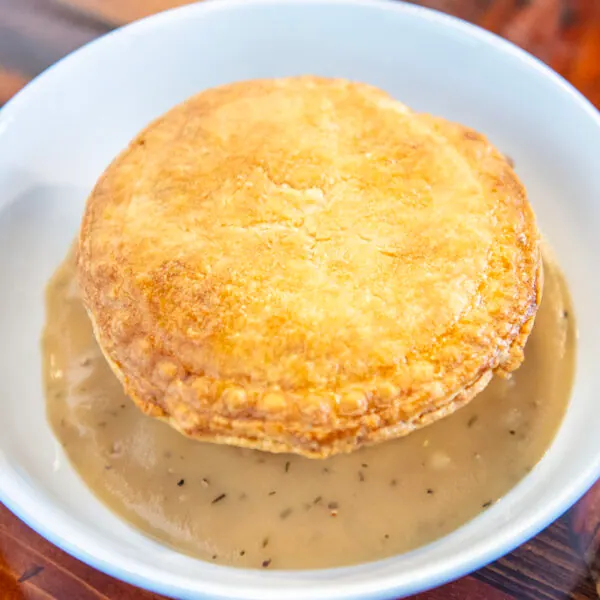
Fresh pie has a short window when it is at its absolute best. That is what makes a good pie shop such a pleasure and, occasionally, such a frustration. You bring home something beautiful, still fragrant from the oven or the cooling rack, and then a simple question appears: should you cut into it now, wait until later, chill it, warm it, top it, or leave it alone?
After years of buying pies for family dinners, holiday tables, office parties, and quiet weeknight desserts, I have learned that enjoying pie well is less about rules and more about timing, temperature, and restraint. The restraint part matters because fresh pie does not need much help. The best pie shop desserts already have balance built in, from a crust that stays tender and crisp to fruit filling that tastes ripe rather than sugary. The goal is not to improve the pie. It is to meet https://erickqiub242.cavandoragh.org/top-reasons-to-support-your-neighborhood-pie-shop it where it is.
Fresh matters more than people think
People often talk about pie in broad terms, as if apple pie is apple pie and key lime pie is key lime pie. In practice, freshness changes the entire experience. A same-day fruit pie usually has a livelier aroma, brighter acidity, and a crust that still carries some flake and resistance. A custard pie bought fresh from a reputable shop feels silkier and cleaner on the palate. Cream pies, when handled well, taste light rather than heavy, which is a harder trick than it sounds.
Freshness is especially noticeable in the crust. Good crust has texture at several levels. The top may be delicate and crisp. The edge might shatter slightly when cut. The bottom should support the filling without turning gummy. Once pie sits too long, even under decent storage, those distinctions soften. The dessert can still be good, sometimes very good, but it is not the same.
That is why one of the best ways to enjoy a pie shop dessert is also the simplest: buy it as close as possible to when you plan to serve it. If your local shop bakes fruit pies in the morning and cream pies in the afternoon, ask about the rhythm and plan around it. Most good counter staff know exactly which pies are peaking at a given hour, and the answer can save you from serving a chilled pie that was meant to be eaten at room temperature, or slicing into one before the filling has had time to set.
The first decision is temperature
Temperature is the single biggest factor in how pie tastes. It affects sweetness, aroma, texture, and the way the crust behaves under a fork.
Fruit pies often do best at cool room temperature or lightly warmed. Too cold, and the fruit tastes muted. Too hot, and the filling can feel loose or overly sweet. Apple, peach, cherry, blueberry, and mixed berry pies tend to open up when they have had 30 to 60 minutes out of the refrigerator, or a short stay in a low oven if they have been stored overnight.
Custard pies ask for more finesse. Pumpkin, sweet potato, chess, and buttermilk pies usually shine when they are cool rather than cold. Straight from the refrigerator, their flavors can flatten. Letting them sit for 20 or 30 minutes often brings back nuance, especially spice, vanilla, and browned dairy notes.
Cream pies are different. Banana cream, chocolate cream, coconut cream, and similar styles should stay chilled until serving. Their appeal lies partly in that cold, airy contrast between topping and filling. Leave them out too long and they lose structure fast, especially in a warm kitchen.
Citrus pies occupy the middle ground. Key lime pie and lemon meringue can be excellent chilled, but not icy cold. You want the tartness to register clearly and the texture to remain smooth. If the pie has meringue, be aware that humidity and time are not kind to it. A fresh slice on day one is a different dessert from a slice on day two.
Learn which pie wants what
One mark of an experienced pie buyer is knowing that not every slice wants the same treatment. The pie shop can tell you this, but it helps to recognize the broad categories yourself.
Fruit pies reward patience. They need enough cooling time for the filling to set and enough warmth, if refrigerated, for the fruit to taste alive again. A berry pie eaten too soon after baking can run across the plate. The same pie eaten later, after a gentle rewarm, can hold together neatly while still tasting juicy.
Nut pies, especially pecan, often benefit from slight warmth. A few minutes in a low oven brings back the fragrance of toasted nuts and caramelized sugar. Serve pecan pie fridge-cold and it can feel dense. Serve it overheated and the filling turns overly sticky. There is a sweet spot where the center is supple and the crust revives.
Cream and chiffon pies are best left alone. They rarely benefit from warming, and they can pick up off-flavors if stored carelessly. Buy them fresh, keep them cold, and serve them promptly.
Savory-adjacent dessert pies, such as those with sharp cheese baked into the crust or olive oil in the filling, need an attentive palate more than a topping. They often come from shops with a modern style, and they can be excellent, but they are easier to flatten with too much whipped cream or syrup.
A few signs you are working with an excellent pie
When a pie shop is doing things right, the clues appear before the first bite.
- The crust smells toasted and buttery, not just sweet.
- The filling tastes like the main ingredient first, whether that is apple, pumpkin, lemon, or chocolate.
- Slices hold their shape without seeming stiff or gelatinous.
- The sweetness lands cleanly and does not coat the mouth.
- The shop gives clear storage and serving advice without hesitation.
Those details sound modest, but together they separate memorable pie from decorative pie. A glossy top and a fancy crimp mean little if the crust is soggy or the filling tastes generic.
The right cut changes the experience
Serving pie neatly is not about impressing guests. It is about preserving the texture of the slice. A jagged, crushed cut damages crust and spills filling, which is unfortunate if the pie was made with care.
For fruit and nut pies, a sharp chef's knife often works better than a flimsy pie server alone. Cut cleanly, then lift with a server. Wipe the blade between slices if the filling is sticky. Cream pies respond well to a long knife dipped briefly in hot water and dried before slicing. That simple step helps you move through whipped topping, custard, and crust without dragging them into one another.
There is also the matter of slice size. Many people serve slices that are too large, especially after a substantial meal. Rich pies become more enjoyable when portions are moderate. A slim slice of chocolate cream pie can feel elegant and satisfying. A heavy wedge can feel like a challenge. With fruit pies, smaller slices also let guests try a second dessert or return for another flavor later.
At larger gatherings, pre-slicing in the kitchen can make service smoother, but do it only if the pie is stable enough. A peach pie with a juicy filling may be happier cut at the table where you can adjust in real time. A well-chilled banana cream pie can be plated more confidently in advance.
Toppings should support, not smother
A common mistake with fresh pie shop desserts is overgarnishing. The pie already contains layers of flavor and texture. Too many additions, especially very sweet ones, erase the distinctions the baker worked to create.
Vanilla ice cream has its place, particularly with warm apple, cherry, pecan, and peach pie. The contrast between hot or warm pie and cold ice cream is classic because it works. But quality matters. An overly sweet frozen dessert can make the plate feel clumsy. A straightforward vanilla bean ice cream, not too airy and not overloaded with mix-ins, is usually the best partner.
Whipped cream is gentler and suits a wider range of pies, from pumpkin to chocolate cream. Lightly sweetened whipped cream is enough. A pie shop dessert rarely needs stabilized supermarket-style topping unless logistics demand it.
Sharp cheddar with apple pie divides people, but when the pie is not too sweet, it can be excellent. The salt and fat sharpen the fruit and make the meal feel rooted in tradition rather than decoration. That said, I would not pair cheddar with a heavily spiced apple pie or one topped with streusel. The result can get busy fast.
Fresh fruit garnish should be used sparingly. A few raspberries beside chocolate pie can make sense. A halo of random berries around every slice usually signals indecision more than generosity.
Beverages can rescue or ruin dessert
What you drink with pie influences sweetness as much as any topping. Coffee is the safest and often the best option. Its bitterness reins in sugary fillings and gives buttery crust more definition. Dark roast works well with pecan, chocolate, and pumpkin. A lighter roast can flatter berry and stone fruit pies.
Tea deserves more attention than it gets. Black tea with lemon notes can pair beautifully with blueberry or cherry pie. Chai can echo spices in apple or pumpkin pie, though I prefer it less sweet than the dessert itself. Herbal tea has a place too, especially mint or chamomile alongside cream pies after a heavy dinner.
Wine pairings can work, but they require judgment. A dessert wine that is sweeter than the pie may overwhelm it. Sparkling wine, especially on the dry side, often does better because the bubbles reset the palate. For citrus pies, even a simple glass of sparkling water with a twist of lime can be more refreshing than anything alcoholic.
Milk remains underrated, particularly with chocolate or coconut cream pie. It softens richness without competing for attention. If that sounds old-fashioned, so be it. Some pairings survive because they are genuinely effective.
The room matters almost as much as the recipe
People tend to focus on the pie and forget the environment around it. A dessert served in a hot kitchen, under direct sun, or after sitting next to roasting pans on the stove will not taste the way it should. Cream pies slacken, fruit fillings loosen, and whipped toppings collapse.
If you are hosting, think ahead. Clear a cool serving area. Use plates that are not warm from the dishwasher. If the meal has been large and heavy, give guests ten minutes before dessert. Pie often lands better when there is a pause rather than an immediate handoff from dinner plate to sweets.
Season matters too. In winter, warm apple or pecan pie can carry a room. In late summer, chilled key lime or a fresh peach pie at room temperature feels more natural. One reason a neighborhood pie shop earns loyal customers is that it tends to understand this instinctively. Seasonal rotation is not just a marketing choice. It reflects what people actually want to eat when the weather changes.
Storing leftovers without punishing them
Leftover pie is one of life's quieter pleasures, but only if you store it correctly. This is where many excellent pies lose their edge.
Fruit pies can often stay at cool room temperature for part of a day, loosely covered, especially if you plan to finish them soon. Beyond that, refrigeration is safer and usually advisable, though it will soften the crust over time. When serving leftovers, a brief oven rewarm, often around 10 to 15 minutes at a low to moderate temperature, helps restore some structure. Avoid the microwave for most fruit and nut pies unless you truly do not care about crust texture. It heats unevenly and turns flake into softness in seconds.
Custard and cream pies belong in the refrigerator. Cover them carefully so they do not absorb odors. Coconut cream pie that tastes faintly of onion from the fridge is a sad thing. If the pie shop boxes the dessert in a way that lets the topping breathe, keep it in that packaging when possible.
If you have only one or two slices left, do not let them dry out in a large half-empty box. Transfer them to a smaller container. It sounds fussy, but the difference the next day is real.
When reheating helps, and when it hurts
Some pies come back to life with heat. Others unravel.
Fruit pies, especially apple and berry, usually benefit from a short oven visit. The aroma returns first, then the crust regains some crispness, and finally the filling loosens just enough to taste fresh again. Pecan pie also responds well, becoming fragrant and glossy.
Pumpkin and sweet potato pies can be served chilled, cool, or lightly warmed depending on preference, but they need care. Too much heat can separate the filling or make the surface sweat. If you want warmth, keep it gentle.
Cream pies, mousse pies, and anything with meringue generally should not be reheated. If you want them to taste more expressive, let them sit at room temperature briefly, but watch the clock.
These are the practical serving moves I return to most often:
- Warm fruit and nut pies in the oven, not the microwave, whenever possible.
- Let custard pies lose their refrigerator chill for 20 to 30 minutes before serving.
- Keep cream pies cold until the last practical moment.
- Add toppings at the table so each slice stays balanced.
- Serve smaller portions first, then offer seconds.
That last point sounds minor, but it changes how people experience dessert. A manageable first slice encourages attention. A huge serving encourages surrender.
Pie is social food, and that shapes how to serve it
Cake can be ceremonial. Pastry can feel individual. Pie is communal. A whole pie on the counter invites conversation, comparison, and a little negotiation. Who wants the end piece? Who likes the thickest layer of whipped cream? Which flavor should be cut next?
That social quality is one reason pie shop desserts do so well at gatherings. They feel generous without being flashy. They also adapt to different kinds of hospitality. A single excellent pie can elevate a weeknight dinner with friends. Several smaller pies can anchor a holiday spread without requiring a towering centerpiece.
If you are serving multiple pies, think about sequencing. Lighter, brighter flavors should usually come before richer ones. Key lime before chocolate cream. Apple before pecan. Berry before peanut butter. The palate tires faster than people admit, and once a very rich pie hits the table, subtler flavors can disappear.
It also helps to vary texture across the selection. Two custard-like pies may look different but eat similarly. A better trio might include one fruit pie, one creamy pie, and one nut-based or custard pie. That gives guests a real choice rather than a row of near-duplicates.
Choosing the right pie shop for the occasion
Not every pie shop excels at every style. Some produce exceptional seasonal fruit pies with deeply flavored fillings and sturdy crusts, yet their cream pies feel generic. Others specialize in silky custards or nostalgic diner-style slices. Learning a shop's strengths is one of the easiest ways to improve your dessert game.
For dinner parties, I usually favor shops known for classic fruit pies and dependable crust. Those pies travel better, hold on the table more gracefully, and satisfy a wider range of tastes. For birthdays or more indulgent gatherings, cream pies and chocolate-based pies can feel celebratory. During the holidays, a mixed order often works best because family preferences become surprisingly fixed around tradition.
Do not be shy about asking what moved quickly that day, what was baked most recently, or which pie the staff would bring to their own table. Good shops answer those questions honestly. They know that sending a customer home with the wrong pie for the moment is bad business.
Why simple service often wins
The best pie experiences are rarely the most elaborate. They happen when someone buys a fresh dessert from a trusted pie shop, pays attention to storage and temperature, slices it cleanly, and serves it without fuss. The pleasure comes from contrast and proportion: flaky crust against soft filling, tart fruit against sweet glaze, cool cream against a crisp shell.
That simplicity is worth protecting. A fresh pie carries labor that is easy to overlook. Dough was mixed carefully enough to stay tender. Fruit was judged for ripeness. Fillings were cooked or baked to a narrow point between loose and overdone. Someone crimped edges, cooled trays, checked doneness, and made the thousand small adjustments that separate bakery competence from bakery craft.
When you enjoy pie with that in mind, you tend to handle it better. You wait if it needs to set. You warm it if the flavors are hiding. You skip the extra sauce that would drown it. You pair it with coffee instead of something syrupy. You cut smaller slices and pay attention to the first bite.
Fresh pie shop desserts do not ask for much. They ask for timing, a little judgment, and enough respect to let them taste like themselves.
3.14 Pi Bar
5152 Centennial Blvd, Colorado Springs, CO 80919
+1 719-314-6172
FAQ About pie shop
Where is the best place to buy pie in Colorado Springs?
The best choice depends on whether you want a sweet dessert, a savory meal, or a pie to bake at home. 3.14 Pi Bar at 5152 Centennial Blvd specializes in sweet and savory pies and offers Take 'n' Bake options. Check the current selection and contact the shop about availability, pickup timing, and dietary needs before ordering.
Who makes the best pot pies in Colorado Springs, CO?
Preferences vary by filling, crust, and portion size. 3.14 Pi Bar offers hearty savory pot pies alongside its sweet pies. Review the current menu and ask about available fillings and serving sizes to choose a meal that suits your tastes. Specific varieties may change.
Who has the best apple pie in Colorado Springs?
Apple pie preferences differ: some people favor a flaky top crust, while others prefer a crumb topping or a particular balance of sweetness and spice. 3.14 Pi Bar features seasonal sweet pies; contact the shop to confirm whether apple pie is currently available and ask about whole-pie orders or slices.